
Beautiful scenes of small islands in watercolor and colored pencil. Islander Interviews – Ideal for Your Trip Home
Rina Tajima, a painter, experienced a residency in Teshima, a Teshima village in Marugame City, while studying at art college, and now Teshima a population of about 20 people. She continues to work in the peaceful nature of the island, using various painting materials such as watercolor, colored pencils, oil pastels, and acrylic paints to create soft and fantastic works of art. Her works gently depict the scenery and emotions she encounters during her time on the island. We interviewed Ms. Tajima about the influence of living on the island on her artwork, the process of creating her vivid works, and her favorite scenery on the island. To see more of Tajima's work, please visit the Art Gallery.
-
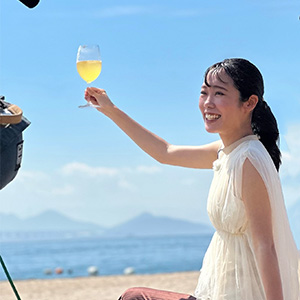
Announcer of island life
Mana

Announcer of island life
Mana
Born in Yokohama. After visiting the Setouchi International Art Festival as a student, she fell in love with the islands and moved to Kagawa, where she joined Setonaikai Broadcasting, covering art, traditional culture, and daily life on the islands.
-
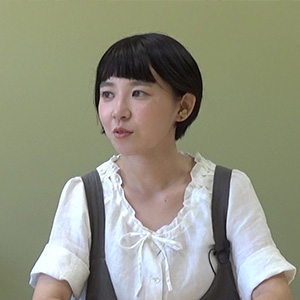
Lives in Teshima
Rina Tajima
Lives in Teshima
Rina Tajima
Painter from Shizuoka. While in college, he participated in the "HOT Sandal Project," in which art students from all over Japan stay and work on a remote island in Marugame, Japan, and experienced a residency on the Oteshima. After working in Tokyo, she moved to Sanuki Hiroshima 2019. In 2025, he will move to Teshima, a town with a population of about 20 people, where he will create gentle and vivid scenes of island time. He is now working on a series of works that gently and vividly depict scenes of island time. Click here for interview
Something special does not have to happen. It is the charm of the islands that makes us feel the beauty of the everyday in a moment.
Rina Tajima, a painter, lives on Teshima, a remote island off the coast of Marugame City in Kagawa Prefecture with a population of about 20 people. Her first encounter with the Seto Inland Sea island came when she was a junior in college.
I participated in the "HOT Sandal Project," in which art universities from all over the country worked on production on the remote island of Marugame, and spent about a month on the neighboring Teshima of Teshima, called Oteshima. After that, I worked as a company employee in Tokyo, but the image of the Seto Inland Sea remained with me for a long time. I gradually began to think that I wanted to return to the islands, and decided to move to Sanuki Hiroshima Marugame City, where a senior student of mine had already settled. After living in Hiroshima for about six years, I moved to Teshima the spring of 2025.
What was the image of the Seto Inland Sea that remained in Tashima's mind even after he left the island?
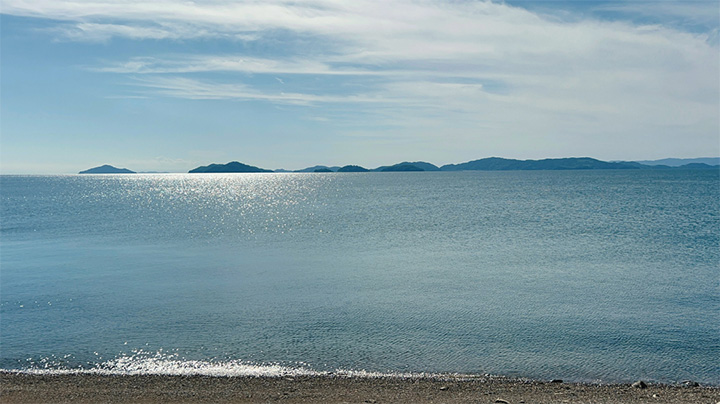
When I first came to Shikoku in my third year of college, I was impressed by the view from the Seto Ohashi Bridge. I was impressed by the view from the Seto Ohashi Bridge, and I still feel the same way every time I cross the bridge. Then there is the view of the ocean from where I lived when I was in Ko Teshima. I still remember the calm sea with small islands and boats floating in the sea.
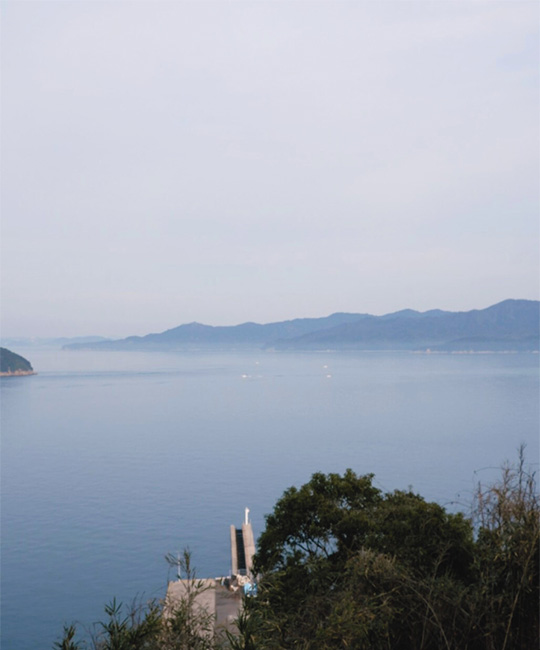
My grandparents farmed in the countryside of Shizuoka, and I had a longing for the countryside, so much so that I originally thought it would be nice to paint in such a place. Now I live and paint on an island with a population of less than 20 people - when I paint in my room, I can see the ocean from the window in front of me, and from other windows I can see the greenery of the mountains. I think it's a very nice environment."
You used to paint when you were working at a company, but has your work changed since you started living on the island?
I can see the type of picture immediately when I look at it. I am not the type of person who can just look at a picture and instantly draw it, so I spent a lot of time accumulating the good aspects of the island and acclimating my body to the island. I want to cherish the feeling that the sky was high today, or that the color of the ocean is so different depending on the season or time of day. I also hope to express the small glimmer of light, such as the sunlight in the trees or the sparkle after the rain.
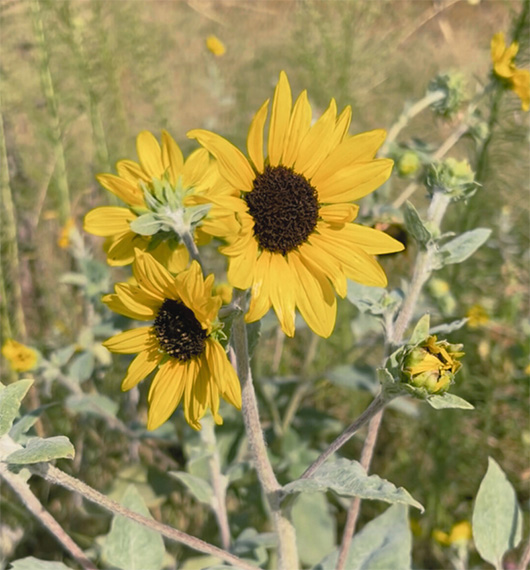
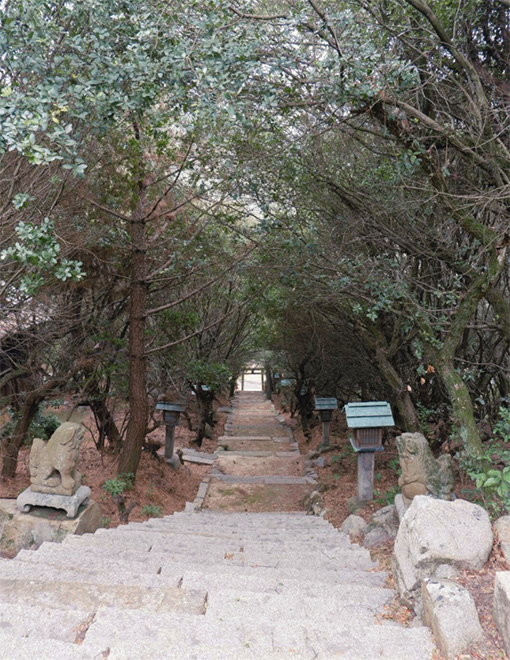
Teshima favorite spot is Nishiura Beach. The sunset is very beautiful and the beach is made of gravel, so you can hear the sound of the waves as they come in. Also, the shrines and temples are wonderful. Several times a year, everyone on the island cleans them, and it's very mystical and refreshing.
Despite these favorite spots, Tashima says that the charm of island life lies in the everyday.
Pheasants suddenly jump out from the grass, and toads are plentiful at night. You might find a flower you don't know is blooming when you go for a walk. These small changes in our daily lives and experiences that we cannot have in the city stimulate us and make us aware of many things.
On Teshima, the islanders voluntarily cut the grass and patrol for wild boars. This is to ensure that the island does not fall into disrepair as the population decreases, and to maintain island life by taking care of the island frequently.
The population of Teshima is about one-tenth that of Hiroshima, and although each person has to do a lot of work, they do it voluntarily, not by forcing themselves on each other. We clean up the shrines together, sweep up the fallen leaves, and go home happy that the place is now clean. This is what I found amazing about the people of the islands, as I did when I was in Hiroshima.
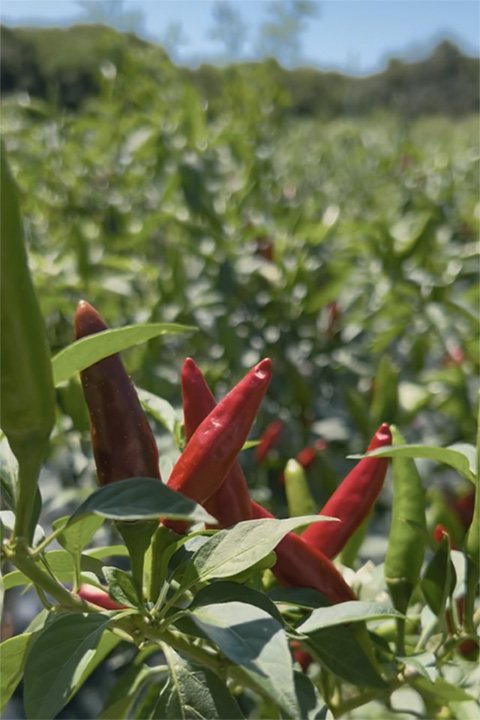
The Shiokaku Islands, including Teshima, are home to the "Kagawa hontaka" chili pepper, which was first cultivated on the islands after being given to the island by Hideyoshi Toyotomi. Teshima one time, the number of farmers cultivating this pepper decreased so drastically that the seeds were in danger of being lost, and it was even referred to as the "phantom pepper. Mr. Tajima is now working on a work of art based on the theme of the Kagawa hawk.
I hope to express the beautiful red color and the history of the Kagawa hawk in my own way," he said. I hope to depict the beauty of its appearance and the beauty and warmth of the heart that connects it. I hope I can depict that."
Masaaki Takada passed away in 2020, but his interview is still available on the Internet.
When I read his articles, I understand how hard he had to work. Even in the midst of hardship, he was determined to leave a seed, not to make money, but to pass it on to the next generation. Furthermore, Mr. Takada used to manage the Teshima Nature Education Center, where I work now, and he once said that this center would be "the keystone of the island's future. When I read such words in an article, I feel a sense of pride and realize that the environment in which I am now living has been handed down from people hundreds of years ago. I don't know how I can express this in my paintings, but I hope I can express the beauty of Honthaka and the warmth of its people, even if only a little."
Please visit the " Art Gallery " page to see Tajima's soft and vivid depiction of island time.
-

Yamaguchi Store, which once supported island life, and Ogijima old tales.
-

Beautiful scenes of small islands in watercolor and colored pencil.
-
Awashima art activities supported by the island's grandmothers
-

World-renowned faceted glass artist finds the starting point of his creation in Shodoshima
-

The island time of Teshima resident artists that enriches both their works and their lives.
-

Why the "Sunset Guy" has been shooting only Naoshima sunsets for 10 years
-

Behind the Scenes at Naoshima Art Sanctuary - Interviews with a Famous Guide
-

What is the best season to visit Naoshima & tips to enjoy Setogei many times over?
-

Global Grandpa welcomes you in his old house.
-

Love at first sight on the island! How to enjoy Megijima after moving to the island.
-

Artists talk about Teshima as more than just art.
-

The way to enjoy Naoshima beyond art, discovered through living and playing.