
Island Time Near the Seto Ohashi Bridge—Connecting History and Nature to the Future. Islander Interviews – Ideal for Your Trip Home
Located right beside the imposing Seto Ohashi Bridge, Honjima is a place where rich nature and historical character thrive. Makoto Fukita, who was born and raised here, discovered the charm of the island's own rhythm—unchanging despite the changes—as he spent years working as a community leader.Once Honjima to about 2,000 residents Honjima aging. Yet, islanders and outsiders who care deeply about the place are joining forces, breathing new life into vacant houses and sparking fresh beginnings. What Honjima revealed by the island's landscapes, preserved by generations before? We listened to thoughts about the island's past and future.
-
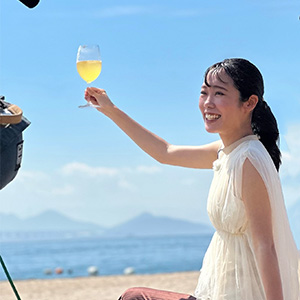
Announcer of island life
Mana

Announcer of island life
Mana
Born in Yokohama. After visiting the Setouchi International Art Festival as a student, she fell in love with the islands and moved to Kagawa, where she joined Setonaikai Broadcasting, covering art, traditional culture, and daily life on the islands.
-
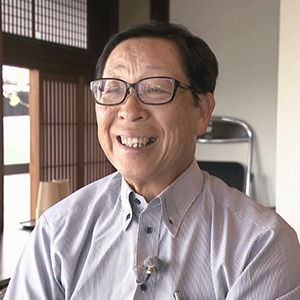
Resident of Honjima
Makoto Fukita
Resident of Honjima
Makoto Fukita
Honjima and Honjima. Serves as a central figure in the local community Honjima, also acting as a bridge between islanders and outsiders. Driven by a desire to continuously increase the number of people connected to the island and pass on its charm to future generations, he collaborates with people both on and off the island. He focuses on creating connections with the island and establishing community hubs by renovating vacant houses, all while envisioning the island's future. Interview here
The charm of the extraordinary—something only an island can offer—taught to me Honjima, where I was born and raised.
The charm Honjima begins the moment you board the ferry to the island. The journey itself, about 30 minutes from Marugame Port in Kagawa Prefecture or Kojima Port in Okayama Prefecture, is already a special experience. The scenery visible from the ferry is simply magnificent.
We spoke with Makoto Fukita, who Honjima and also Fukita as a bridge between islanders and outsiders. He says the charm he most wants visitors to feel is Honjima.
"Right beside the shipping lane, the Seto Ohashi Bridge looms large. When you board the ferry, on one side you see this massive bridge—the crystallization of Japan's proud technological achievements. On the other side, the timeless, tranquil island scenery stretches out. Getting to the island while comparing these old and new views side-by-side on the ferry is pretty rare, don't you think? I believe this contrast is where Honjima appeal begins."
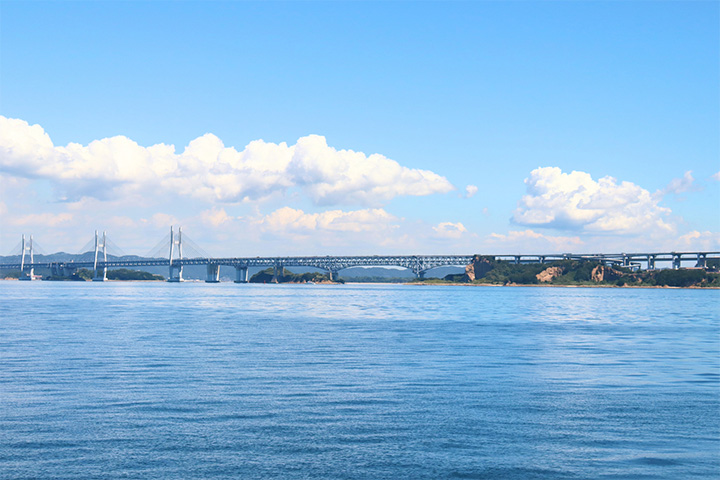
Honjima exactly halfway Okayama Prefecture and Kagawa Prefecture reveals different faces depending on where you view it. From the port where ships arrive, you can see Kagawa Prefecture's sights like Marugame Castle and Mount Iino. Meanwhile, from the Kasashima area on the island's northern side, you can gaze upon Okayama Prefecture's scenery, including Mount Washū. Even after stepping ashore, you can enjoy a variety of views.
Honjima, popular with tourists for its art, gourmet food, and leisure activities—and selected as a venue for the Setouchi Triennale—is home to about 230 people (as of October 2025). What kind of scenery unfolded when Fukita was young?
"Well, the population back then was nothing like it is now.At its peak, there were nearly 2,000 people. Even when I was a child, I think there were still about 1,700. The whole island was bustling with people, and there was vitality everywhere you went. Back then, there were shops all over the island, and children's voices echoed everywhere. Even the terraced fields at the tip of the peninsula, where no one goes anymore, were neatly cultivated. The islanders tended to every corner, and the entire island was alive."
The numerous shrines and temples still standing on the island are proof that enough people lived here to maintain them, and that life thrived. However, the island's appearance changed with the times.
"Compared to around 2013, Honjima began hosting the Setouchi Triennale, the population is now less than half. Almost no one farms anymore. It's sad, but this is the reality."
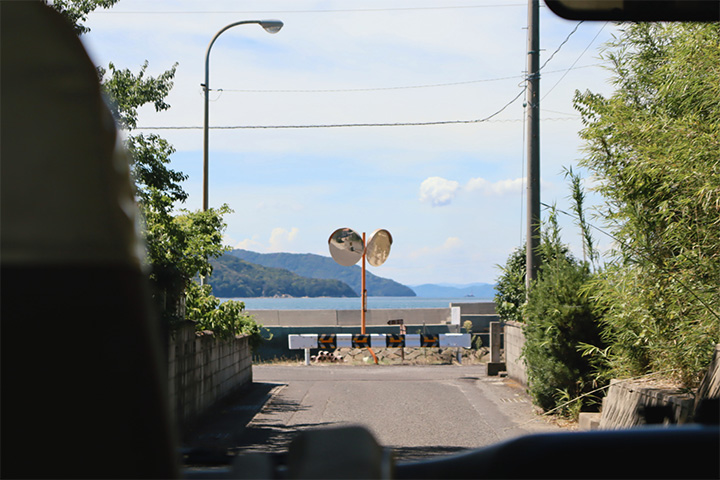
With the population declining and community tasks like cleaning and grass cutting becoming harder to manage, Fukita feels a need for new ways to engage. While many people visit to help prepare the island for events like the Setouchi Triennale, he says the crucial part is sustaining those connections.
"I believe it's crucial to engage with people from outside the island not just during the art festival period, but continuously. Rather than ending it as a one-off event, I want to explore activities that improve this island together with the people who visit. I want to build those kinds of connections."
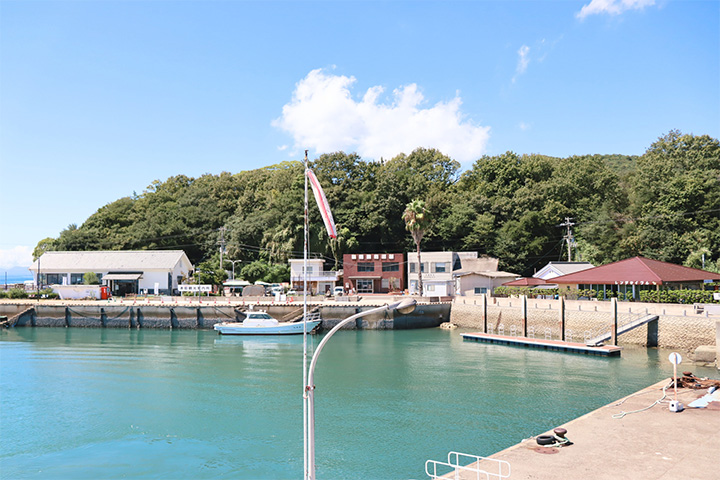
The area around Honjima, where regular ships arrive and depart. During events, it bustles with many tourists.
Such aspirations are gradually taking shape.
"Recently, renovated vacant houses have become community centers and cafes, with young people putting in a lot of effort. For example, the Tomari district near the port still has a beautiful beach that was once a bustling seaside resort. By using places like this as hubs, we hope more spots will emerge where islanders and visitors can naturally interact, bringing a fresh breeze to the island."
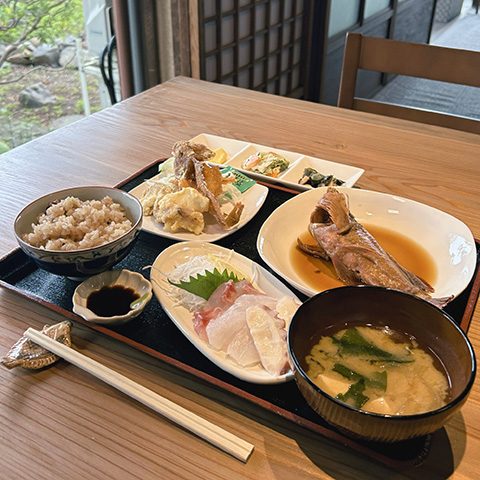
The renovated vacant house now serves as a restaurant offering seasonal menus prepared by a local fishing family.
Fukita as he continued to engage with the island, his own perspective changed. In his youth, he focused strongly on attracting people through tourism and leisure activities, but as he grew older, he came to recognize Honjima intrinsic value.
"I've come to realize more and more lately that the island's charm truly lies in its quietness. The island scenery, where time flows at a leisurely pace completely different from everyday city life—that's the real appeal. It's a different value from convenience, isn't it?"
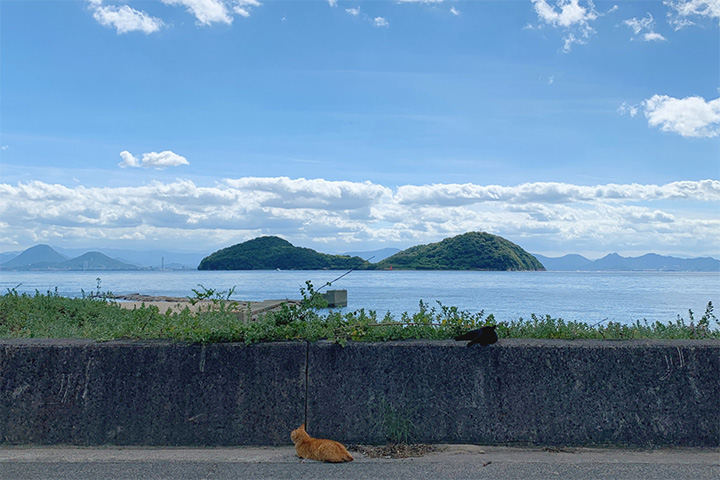
Around Tomari Beach
Honjima an island that, as far back as the era of Toyotomi Hideyoshi, was home to the Shiwaku Navy—sailors renowned for their exceptional shipbuilding and navigation skills—and was granted autonomy. Utilizing their shipbuilding expertise, they later worked as temple carpenters and master builders on various structures. Their achievements remain visible throughout the island, such as in the "Kasashima District for Groups of Buildings" on the island's northern side.The island's abundant sea and greenery, its profound history... there are still many charms we hope visitors will experience.
"For instance, with traditional streetscapes, it's not about making everything convenient. To truly bring out their charm, I believe preserving the old-world atmosphere is key. In fact, a little inconvenience might be just right. Deliberately leaving parts that make you think 'This is a bit inconvenient' actually makes the island's appeal stand out more. That's how I've come to think lately."
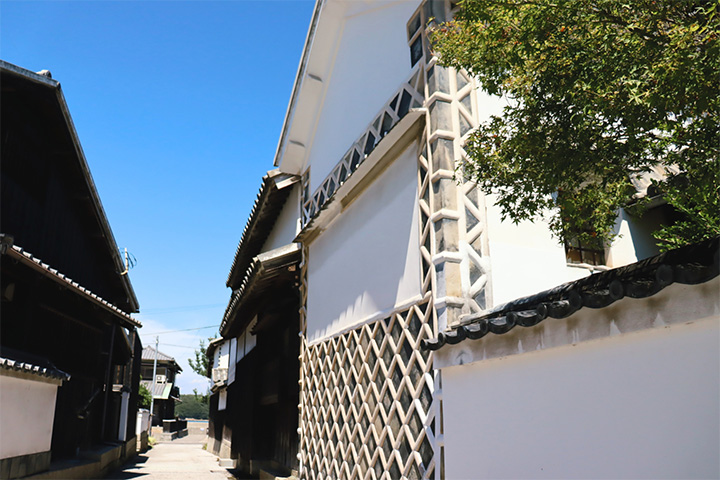
Kasashima District for Groups of Buildings
When asked for recommendations on experiences that offer such a sense of the "extraordinary," the answer came without hesitation: "the scenery." Among these, the sunset viewed from the island is particularly special. Recommended sunset spots include the seaside in the Fukuda area on the island's west side and the coast at Yagama Beach on the north side.
"It's a view only those staying on the island late into the evening or overnight guests can see. It's truly a beautiful sight.Depending on the season, the sunset spot changes—summer on the Okayama side, Takamishima. And if you get up early the next morning, you can see the sun rise from the Seto Ohashi Bridge. The sunrise comes up from the bridge, and at sunset, the sun sinks down among the islands... Scenes like that are truly something only those who stay overnight can see. Please do try staying overnight."
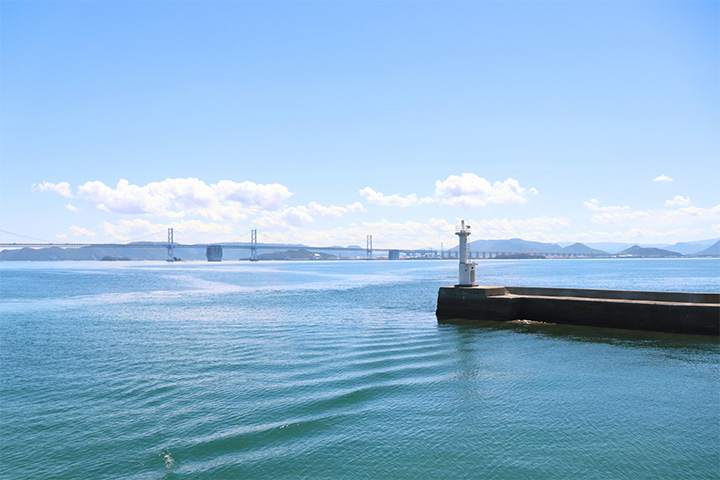
Experience the Honjima island time Honjima, where you can immerse yourself in nature's bounty and the grace of history. Whenever you visit, you'll be welcomed by the dependable islanders and the island's rich scenery.
-

Ten years of painting island time dwelling in nameless plants through Japanese art.
-

Island Time Near the Seto Ohashi Bridge—Connecting History and Nature to the Future.
-

Yamaguchi Store, which once supported island life, and Ogijima old tales.
-
Awashima art activities supported by the island's grandmothers
-

World-renowned faceted glass artist finds the starting point of his creation in Shodoshima
-

The island time of Teshima resident artists that enriches both their works and their lives.
-

Why the "Sunset Guy" has been shooting only Naoshima sunsets for 10 years
-

Behind the Scenes at Naoshima Art Sanctuary - Interviews with a Famous Guide
-

What is the best season to visit Naoshima & tips to enjoy Setogei many times over?
-

Global Grandpa welcomes you in his old house.
-

Love at first sight on the island! How to enjoy Megijima after moving to the island.
-

Artists talk about Teshima as more than just art.
-

The way to enjoy Naoshima beyond art, discovered through living and playing.